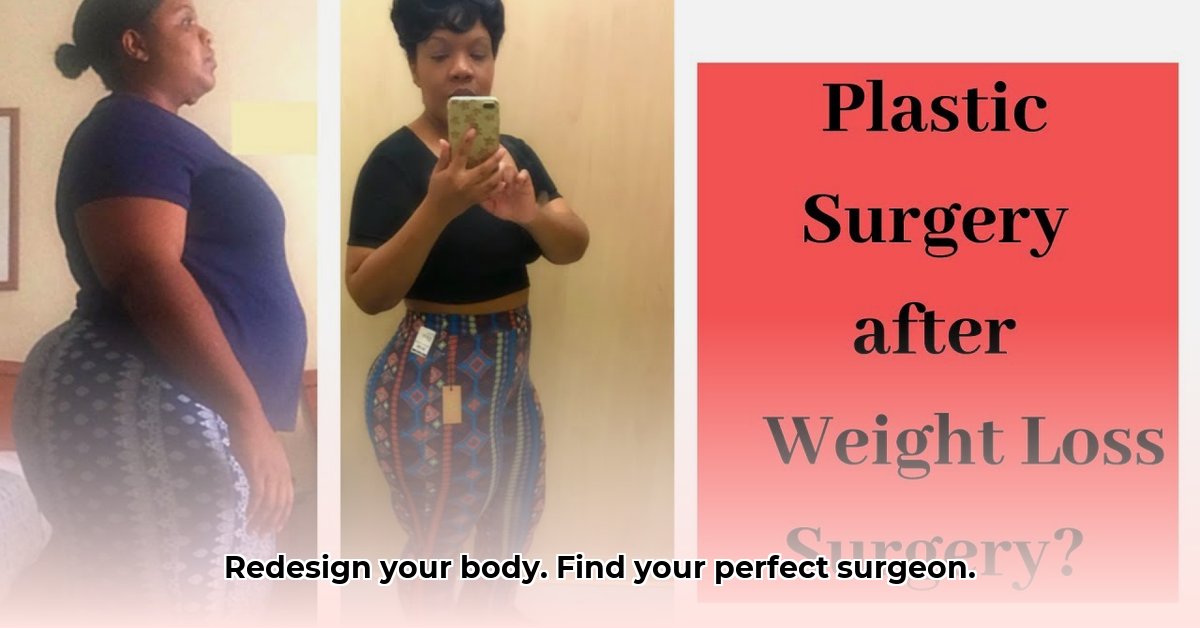
Congratulations on your incredible weight loss journey! Achieving your weight goals is a monumental accomplishment, a testament to your dedication and hard work. However, sometimes, even after significant weight loss, excess skin or stubborn fat deposits remain. This can leave you feeling frustrated and less confident in your newly transformed body. If this resonates with you, exploring options for plastic surgery after weight loss might be the next step in your journey. This article will guide you through the process, helping you find the best approach for your specific needs and location.
Understanding Your Post-Weight Loss Body Shaping Options
Several surgical procedures can effectively address the changes in body contour that often follow significant weight loss. These procedures are about more than just aesthetics; they're about feeling comfortable and confident in your own skin. Let's explore some of the most common options:
Tummy Tuck (Abdominoplasty): After significant weight loss, excess skin and fat around the abdomen can create a noticeable "apron." A tummy tuck removes this excess tissue, tightening the abdominal muscles for a flatter, firmer stomach. (This procedure removes excess skin & fat, tightens abdominal muscles).
Arm Lift (Brachioplasty): Loose, sagging skin on the upper arms is a common after-effect of weight loss. A brachioplasty removes this excess skin, resulting in smoother, more toned arms. (This procedure removes excess skin from the upper arms).
Liposuction: This procedure targets stubborn pockets of fat that are resistant to diet and exercise. While not designed to remove excess skin, liposuction can sculpt and refine body contours, often used in conjunction with other procedures. (This procedure removes fat cells from specific areas).
Breast Lift (Mastopexy): Significant weight loss can cause breasts to lose volume and sag. A mastopexy lifts and reshapes the breasts, restoring a more youthful appearance. (This procedure lifts and reshapes the breasts).
Thigh Lift: Excess skin and fat on the inner and/or outer thighs can also be addressed with a thigh lift, resulting in a more contoured and even appearance. (This procedure removes excess skin and fat from the thighs).
Choosing the Right Procedure: A Personalized Approach
Selecting the right procedure is a deeply personal decision, tailored to your individual needs and goals. There is no one-size-fits-all answer. Key factors to consider include:
- Amount of excess skin: The extent of excess skin will influence the type and scope of the procedure required.
- Areas needing improvement: Are you primarily concerned with your abdomen, arms, thighs, or a combination?
- Overall health: Your general health is crucial for determining suitability for surgery. A thorough medical evaluation is essential.
A comprehensive consultation with a board-certified plastic surgeon is paramount. This allows for a thorough discussion of your goals, concerns, and expectations, enabling your surgeon to create a personalized treatment plan. “A thorough consultation is crucial for determining the right procedure and managing expectations,” says Dr. Emily Carter, Board-Certified Plastic Surgeon at [Hospital Name].
Finding a Qualified Surgeon Near Me: Your Step-by-Step Guide
Finding a qualified and experienced plastic surgeon is crucial for achieving optimal and safe results. Don't rush this important decision; take your time and thorough research. Here's a step-by-step approach:
Online Search: Begin by searching online for "board-certified plastic surgeons near me" specializing in post-weight loss body contouring.
Consultations: Schedule consultations with several surgeons to compare their expertise, communication styles, and approaches. Ask detailed questions.
Credential Verification: Always verify a surgeon’s board certification through official channels.
Review Before & After Photos: Review before-and-after photos, remembering that results vary from person to person.
Read Reviews: Look at online reviews (from validated sources) to get insights into other patients' experiences.
What to Expect After Surgery: Recovery and Long-Term Results
Recovery time varies depending on the procedure(s) performed. Your surgeon will provide detailed post-operative instructions, including pain management, activity limitations, and wound care. Patience is key; healing takes time. While results are intended to be long-lasting, maintaining a healthy lifestyle—a balanced diet and regular exercise—is crucial for preserving your results. “Maintaining a healthy lifestyle after surgery is key to long-term results,” advises Dr. David Lee, MD, Plastic Surgeon at [Clinic Name].
Frequently Asked Questions (FAQ)
How much does plastic surgery after weight loss cost? Costs vary significantly depending on the complexity of the procedure, surgeon's fees, anesthesia, and your location. Discuss financing options with your surgeon.
What are the risks involved? As with any surgery, there are potential risks, including infection, excessive bleeding, scarring, and other complications. Your surgeon will thoroughly discuss these risks during your consultation.
How long is the recovery period? Recovery times vary, ranging from weeks to months depending on the procedures performed. Your surgeon will provide a detailed recovery plan.
How long will the results last? While results aim for longevity, maintaining a healthy lifestyle is crucial for preserving the outcome.
Key Takeaways
- Post-weight loss plastic surgery provides effective body contouring solutions.
- Multiple procedures address various concerns related to excess skin and fat.
- Consultations are essential for determining the right approach.
- Selecting a board-certified plastic surgeon is critical for safety and optimal results.
- Realistic expectations and commitment to a healthy lifestyle are crucial for long-term success. Remember, your journey to feeling confident and comfortable in your own skin is a personal one.